
Is Your Practice Really Protected?
Your practice depends on technology every day—for patient information, scheduling, billing, email, records, communication, and the systems that keep your office running.
But having someone who can fix a computer when it breaks is not the same as having a cybersecurity program.
Cyber threats are becoming more sophisticated. The HIPAA Security Rule is changing. And small healthcare practices increasingly need protections that go well beyond basic antivirus.
Designed specifically for chiropractors.

How protected is your practice?
The Security Rule Is Becoming More Specific
Healthcare practices can no longer depend on informal security procedures or assume that basic
antivirus software is enough. Practices need documented safeguards, system inventories,
vulnerability reviews, workforce training, backup procedures, multifactor authentication,
encryption, network documentation, and access to security records.
For many small practices, the challenge is not understanding that cybersecurity matters. The
challenge is knowing what to implement, how to document it, and how to maintain it

Device and technology inventory

Vulnerability identification
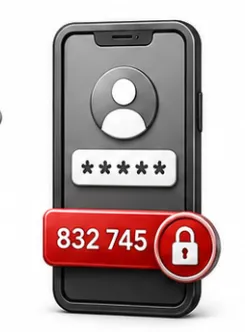
Multifactor authentication

Data encryption

Backup protection

Business associate
documentation
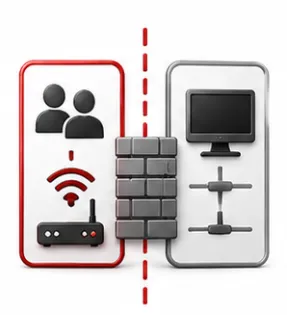
Network separation
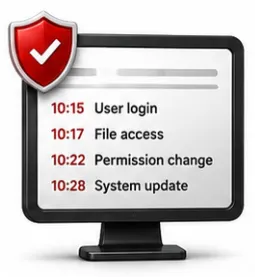
Security event logs

Workforce security training

Ongoing security reviews
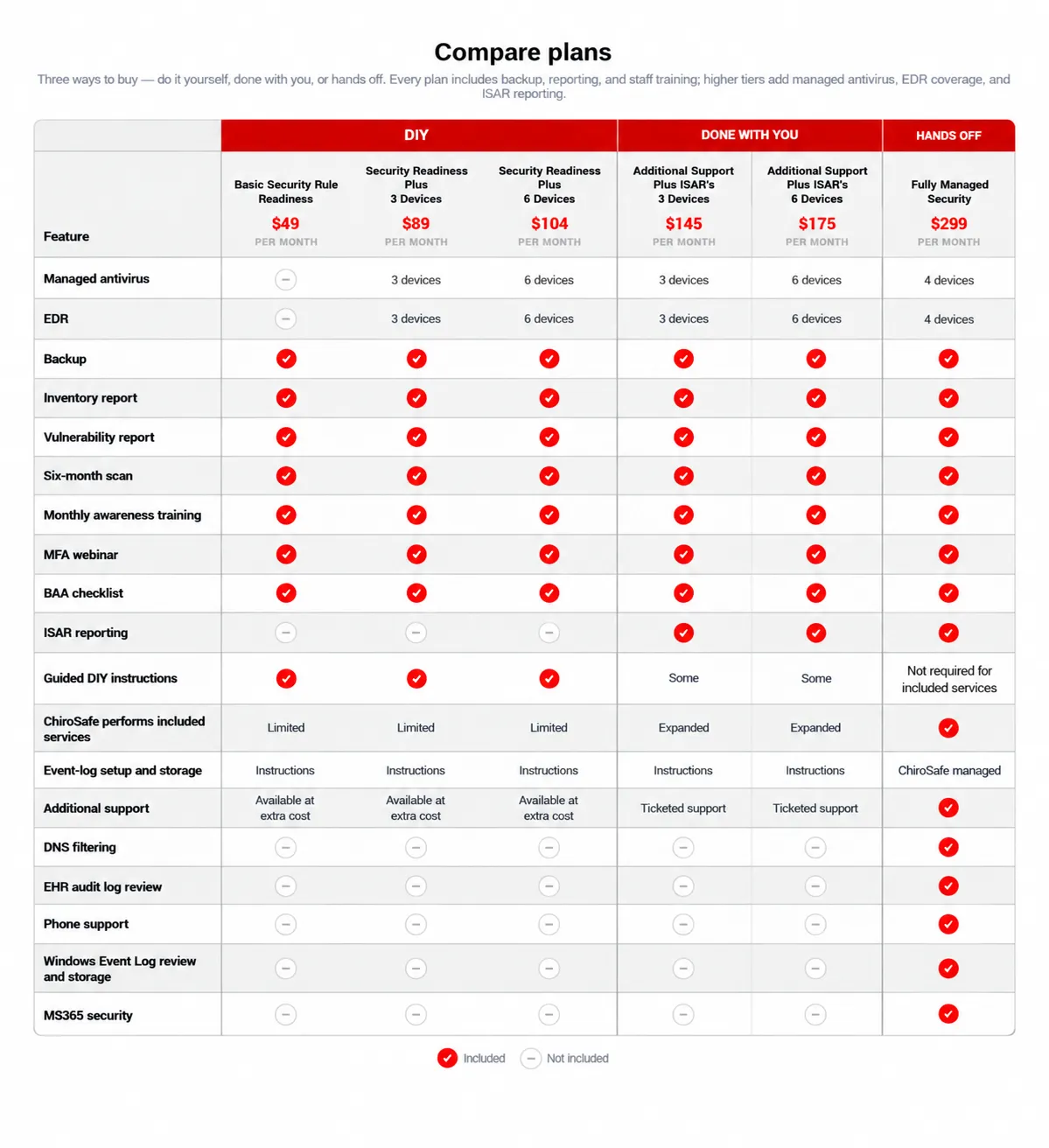
PRICING
Choose Your Plan
DIY
$49 Basic Security Rule Readiness
$89 Security Readiness Plus – 3 Devices
$104 Security Readiness Plus – 6 Devices

No contracts - cancel anytime
All prices are monthly
Done With you
$145 – 3 Devices
$175 – 6 Devices
No contracts - cancel anytime
All prices are monthly
Hands off
$299 Fully Managed Security
No contracts - cancel anytime
All prices are monthly
Need help deciding which plan is right for you? Click below!
What are the device requirements for the ChiroSafe agent?
Operating System: Windows 10/11, macOS, iPadOS and iOS
Processor: Intel Core i5 5th Generation or equivalent
Memory: 8GB
Storage: 500MB free space
Internet: 5Mbps connection
Firewall: You may need a new firewall to meet the new HIPAA security rule requirements.
Fixing a Computer Is Not the Same as Protecting a Practice
For years, many small practices handled technology reactively.
A computer crashed - Someone fixed it.
Software stopped working - Someone got it running again.
That may solve the immediate problem BUT...
It does not tell you whether:
- your data is properly backed up
- your devices are secure
- your employees are prepared for phishing attacks
- your accounts are protected
- your vulnerabilities are being identified or if
- your cybersecurity activities are being documented.
Today, protecting a healthcare practice requires a more complete approach.
That is what ChiroSafe is designed to provide.
HIPAA Is Part of the Picture.
Protecting Your Practice Is the Bigger Goal.
HIPAA matters.
But the goal shouldn't be to check a compliance box.
The real goal is to protect your patients, your information, and your ability to keep your practice operating.
A reliable backup matters because losing critical data can stop your business.
Multifactor authentication matters because one stolen password can expose an entire account.
Employee training matters because one bad click can create a serious security incident.
Encryption matters because computers and devices can be lost, stolen, or improperly accessed.
Security documentation matters because you need to know—and be able to show—what protections your practice has in place.
Good cybersecurity supports HIPAA readiness. More importantly, it helps protect the practice you have worked hard to build.

Review
We identify devices, vulnerabilities, security gaps, and documentation needs.

Protect
We help implement backup, multifactor authentication, encryption, endpoint protection, and
other safeguards included in the selected plan.
Document
We provide reports, instructions, training, and records that support your practice’s security
program.
Take the 2-Minute Security Check
How many of these questions can you confidently answer yes to?
1. Do you have an up-to-date inventory of the computers and devices used in your practice?
2. Are your computers regularly checked for security vulnerabilities?
3. Do your covered devices have appropriate antivirus and endpoint protection?
4. Do you know that your important information is being backed up?
5. Do you use multifactor authentication on important email, cloud, and other supported accounts?
6. Are your employees receiving ongoing cybersecurity-awareness training?
7. Do you have a process for reviewing vendors that handle electronic patient information and their Business Associate Agreements?
8. Are appropriate security events being logged and documented?
9. Can you produce documentation showing what your practice is doing to protect electronic information?
10. Is someone responsible for reviewing these protections on an ongoing basis?
Not sure about some of the answers?
That matters too.
Many small practices do not know what is missing until a computer fails, data is lost, an account is compromised, or a security review exposes the gaps.
ChiroSafe gives you a practical way to strengthen those protections and choose the level of help that fits your practice.
You Don't Need to Become an IT Expert
DIY
ChiroSafe provides the tools and roadmap. Your practice handles more of the work.
A good fit for practices that are comfortable following technical instructions and want a lower-cost way to strengthen cybersecurity and documentation.
Done With You
Your practice participates. ChiroSafe handles more of the work.
A good fit for practices that want more technical assistance, additional documentation support, and greater ongoing help.
HANDS OFF
ChiroSafe provides the highest level of managed assistance.
A good fit for practices that want to spend less time managing cybersecurity and more time running the practice.
How Much Do You Want ChiroSafe to Handle?

Done with you
Have someone who can follow technical instructions
Want a lower monthly cost
Are willing to create and maintain some documentation
Can make basic network and system changes
Want ChiroSafe tools, reports, webinars, and guidance

Full-Service Plans
Do not have internal IT staff
Want ChiroSafe to perform more of the technical work
Need help creating and maintaining documentation
Want ISAR reporting
Need additional support
Prefer ongoing assistance instead of a primarily DIY process
More Than Antivirus

Backup
Help protect important business information from hardware failure, accidental deletion,
ransomware, and other disruptions.
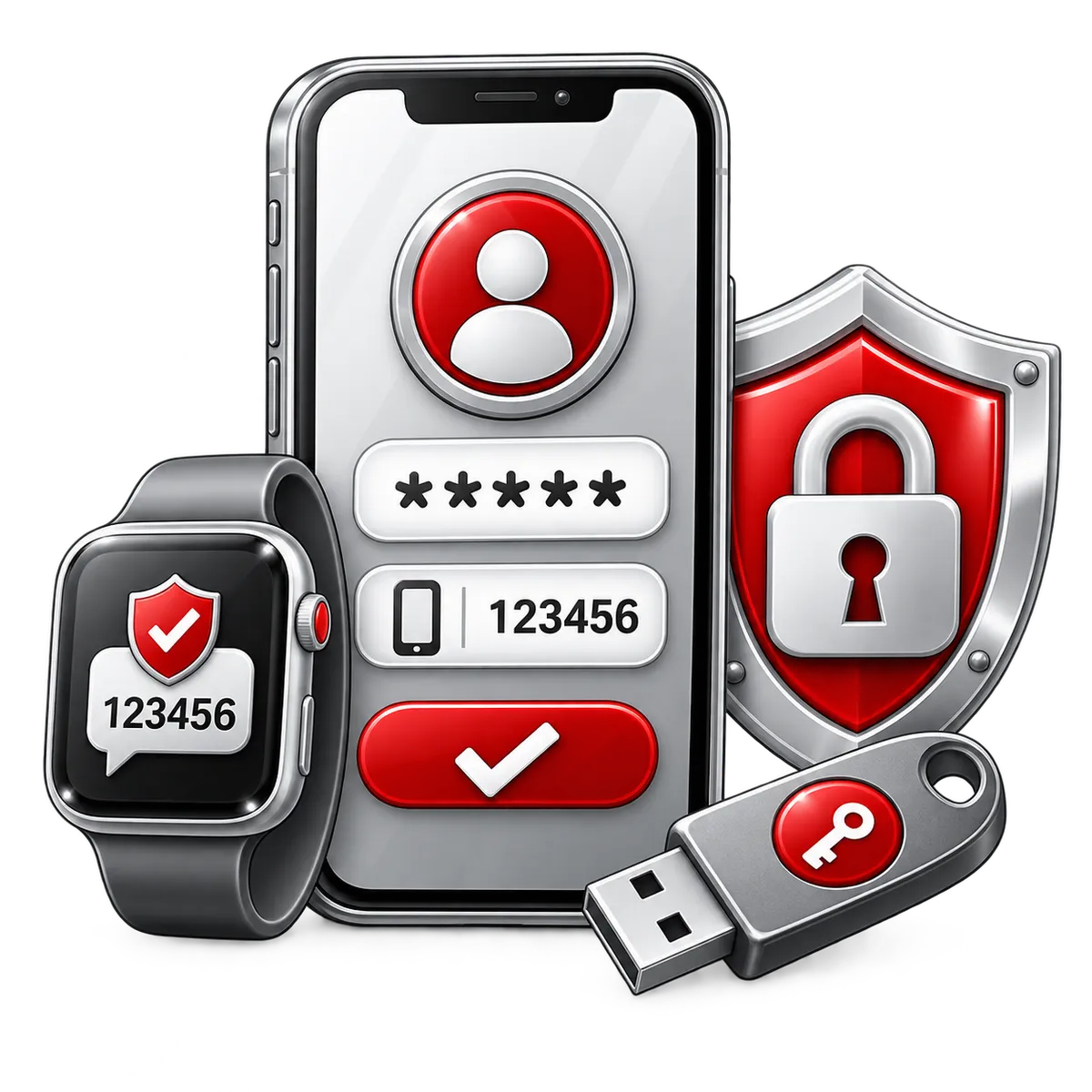
Multifactor Authentication
Training and implementation guidance to strengthen access to email, cloud systems, and other
supported accounts.

Device Inventory
A documented list of the devices reviewed as part of the service.

Vulnerability Reporting
Identification and reporting of detectable security weaknesses on covered systems.

Encryption
Guidance or assistance confirming that supported devices use appropriate encryption safeguards.

Network Separation
Instructions or managed assistance for separating systems handling ePHI from guest, personal,
and general internet traffic.

Network Mapping
Documentation showing important devices and how they connect to the practice network.

Security Event Logs
Instructions or managed services for collecting and preserving applicable event logs.

Security Awareness Training
Monthly training to help employees recognize phishing, social engineering, unsafe behavior, and
other common threats.

BAA Checklist
A process for reviewing whether vendors that create, receive, maintain, or transmit ePHI have
appropriate Business Associate Agreements.
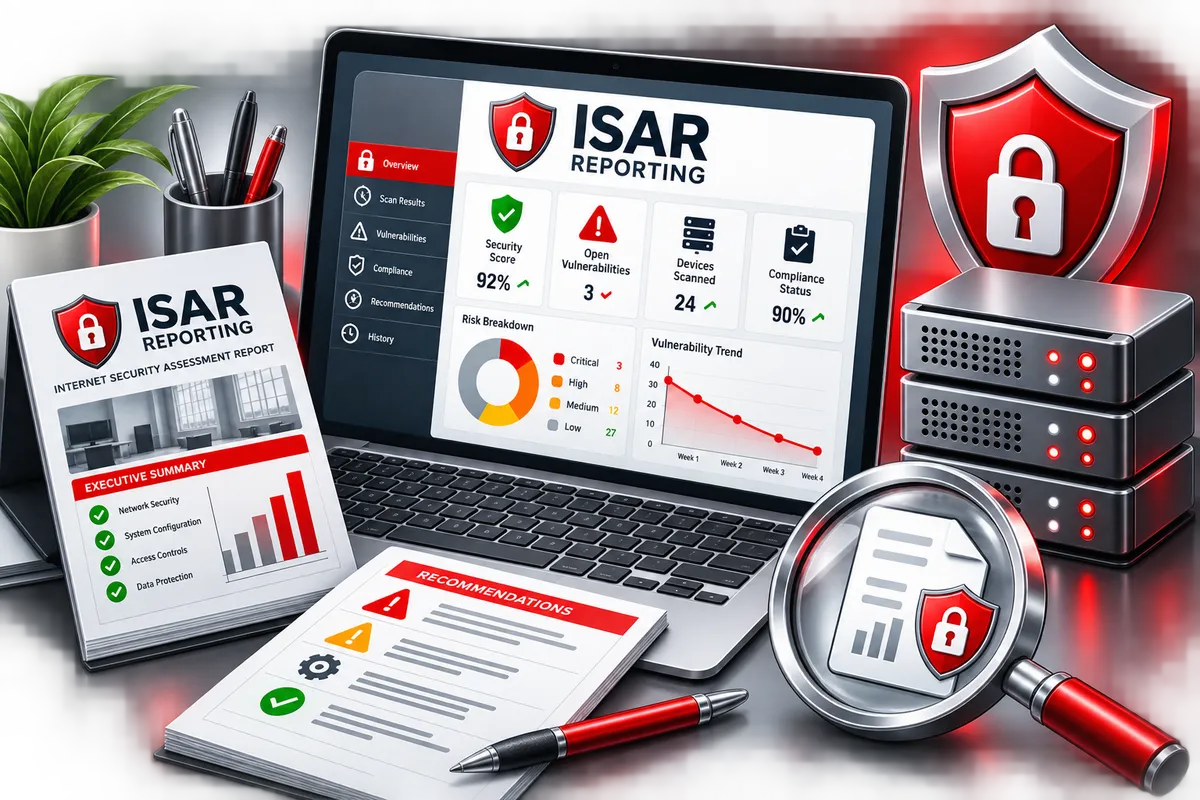
ISAR Reporting
IISAR is ChiroSafe's ongoing information security assessment and reporting process. It helps document security findings, recommendations, completed work and items requiring attention.
Built for Small Healthcare Practices
Chiropractic offices
Solo healthcare providers
Small group practices
Practices without internal IT staff
Offices that need clearer cybersecurity documentation
Practices preparing for changing HIPAA Security Rule expectations
Practices concerned about ransomware, phishing, data loss, and unauthorized access
STILL NOT SURE?
Frequently Asked Questions
Does this subscription make my practice HIPAA compliant?
No single product or service can automatically make a practice HIPAA compliant. These plans
help your practice implement, document, and maintain important cybersecurity safeguards and
Security Rule readiness activities. Your practice remains responsible for its overall compliance
program.
What counts as a device?
A device generally means a covered workstation, laptop, server, or other supported endpoint
included in the service. ChiroSafe will confirm the eligible devices during onboarding.
Is antivirus included in the $49 Basic plan?
Managed antivirus and endpoint detection and response are not included in the Basic plan. They
are included in the Plus and Full Service plans according to the device limit shown.
What is EDR?
Endpoint detection and response provides monitoring and detection capabilities beyond
traditional antivirus. It helps identify suspicious activity and supports response when a threat is
detected
What does DIY mean?
DIY means ChiroSafe provides instructions, education, checklists, or templates, but the customer
performs and documents the task. Fully Managed customers receive direct ChiroSafe
implementation for the services specifically included in that plan.
What happens if I have more devices?
The customer should select a plan that covers the required number of managed devices.
Additional-device pricing may apply.
What is an ISAR?
ISAR is ChiroSafe’s ongoing information security assessment and reporting process. It helps
document security findings, recommendations, completed work, and items requiring attention.
This is a required feature for HIPAA complianec.
Is a vulnerability scan the same as a penetration test?
Not necessarily. A vulnerability scan identifies detectable weaknesses using automated or
assisted tools. A penetration test may involve more extensive efforts to validate whether
weaknesses can be exploited. ChiroSafe will define the exact testing included with the selected
subscription
Will ChiroSafe store our event logs?
Event-log storage is included only when specifically stated in the selected plan. Guided plans
provide instructions for the practice to collect and preserve its own logs
Can I change plans later?
Yes. Customers may request an upgrade when they need coverage for additional devices or more
direct assistance.
Do Not Wait Until a Security Incident Exposes the Gaps
Build a stronger, better-documented security program before a ransomware attack, data loss,
compliance review, or unauthorized access incident occurs.
Choose the level of assistance that fits your practice and begin your Security Rule readiness
process today.
© 2026 ChiroSafe - All Rights Reserved. Protecting practices with enterprise grade cybersecurity built for healthcare